Green tea lives a double life on the shelf. In one aisle it's a $10 box of leaves or a tin of bright-green powder — a pleasant, mildly healthy daily drink. In another, the same plant is a $40 bottle of "fat-burning" EGCG capsules promising to melt weight and detox your liver. The gap between those two products is the whole story of buying green tea well, because one is a fine purchase and the other is where both your money and, occasionally, your liver are at risk.
This guide walks the gap. It covers what green tea and matcha realistically do, how to read grade and freshness so you buy a tea worth drinking, and why the concentrated extract pills are the part to skip. We do not rank specific products, because we have not tested them yet, and a ranked list of tins nobody opened is the thing we built this site to avoid. What you get is the method, so you can judge any tin yourself.
A note first: this is shopping guidance, not medical advice. Tea and tea extracts are sold as foods and supplements, and the FDA does not approve supplements for safety or effectiveness before sale the way it does prescription drugs (FDA). Green tea also contains caffeine and, as an extract, carries real safety considerations — so read the safety section near the end, and if you're pregnant, take medication, or have a health condition, talk to your clinician. This is a cluster sibling of our herbal tinctures guide under the Teas & Tinctures pillar.
What green tea actually does
Worth being honest up front, because the marketing rarely is: green tea's health effects are real but modest, and inconsistent across the big claims. On weight, NCCIH says the catechins and caffeine in green tea and its extracts "may have a modest effect on body weight" — modest being the operative word, and it varies with the product and your activity (NCCIH). On cancer, "the overall results of these studies have been inconsistent." On the heart, a lower risk of coronary heart disease shows up "in Asian populations but not in Western populations." On cholesterol, green tea "reduced total cholesterol and low-density lipoprotein (LDL) cholesterol to a small extent," without affecting HDL or triglycerides.
Put together, that's a reasonable daily drink with some mild upside — not a detox, not a fat-burner, and not a treatment for anything. Holding that expectation is what protects you from the two ways green tea separates people from their money: paying luxury prices for grade theatre, and buying concentrated extract pills that promise the moon. The buying method below handles the first. The safety section handles the second.
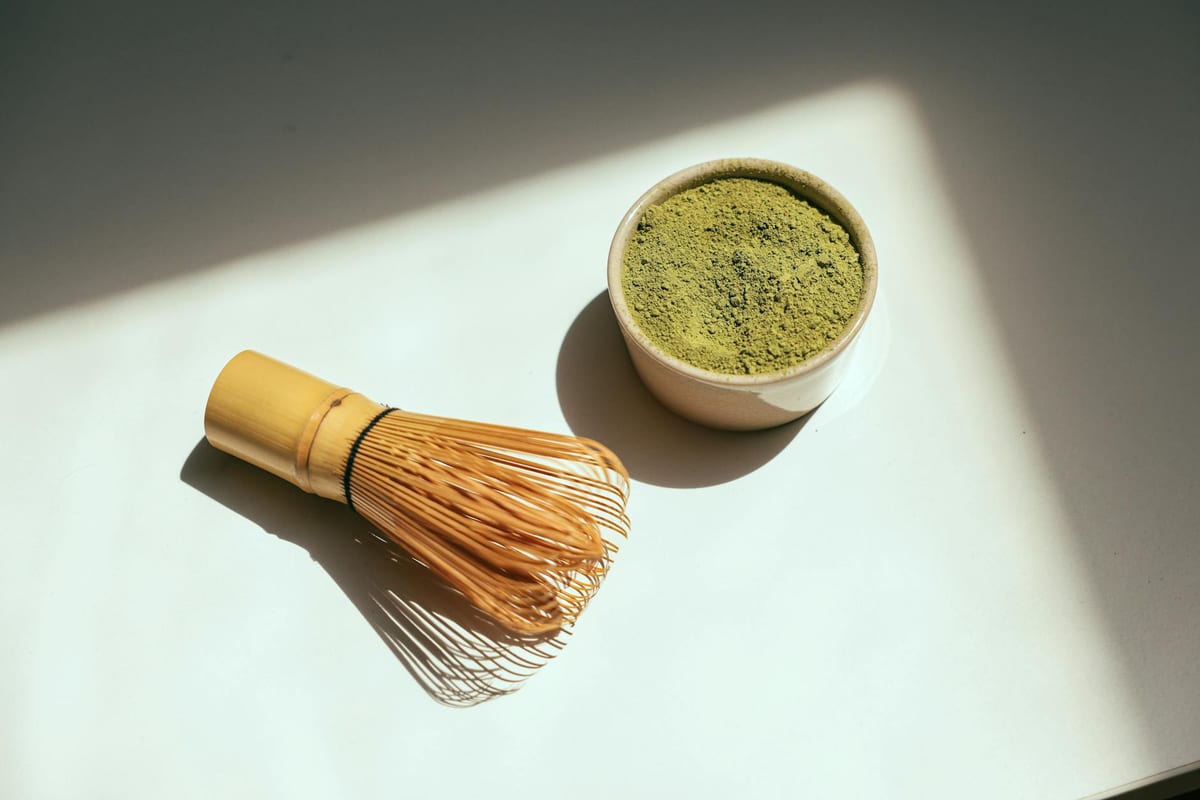
The most important decision: a drink, not a pill
Before grades and freshness, settle the question that actually carries risk: are you buying green tea to drink, or a green tea extract to swallow? Because the safety profiles are not the same.
NCCIH is direct about it: "No safety concerns have been reported for green tea consumed as a beverage by adults." But "liver injury has been reported in some people who used green tea products, primarily green tea extracts in tablet or capsule form," and people "with a specific variant of a gene that plays an important role in immune function appear to be especially susceptible" — a variant 5 to 15 percent of Americans carry (NCCIH). The pattern is well enough documented that NIH's LiverTox maintains a dedicated entry on green tea extract hepatotoxicity (LiverTox).
The practical rule writes itself: if you want green tea's benefits, drink green tea. The mild upside in the evidence comes from the beverage, and the beverage is the form with no reported safety concern. The concentrated "EGCG fat-burner" capsules take the one component most implicated in liver injury and multiply it — for a weight effect the evidence calls modest at best. That is a bad trade, and it's the single most useful thing this guide can tell you. The rest is about buying a good version of the drink.
Reading the grade: ceremonial, culinary, and loose leaf
For matcha especially, "grade" is where prices swing wildly and marketing fills the gaps. Here's what the terms actually mean.
| Type | What it is | Best for |
|---|---|---|
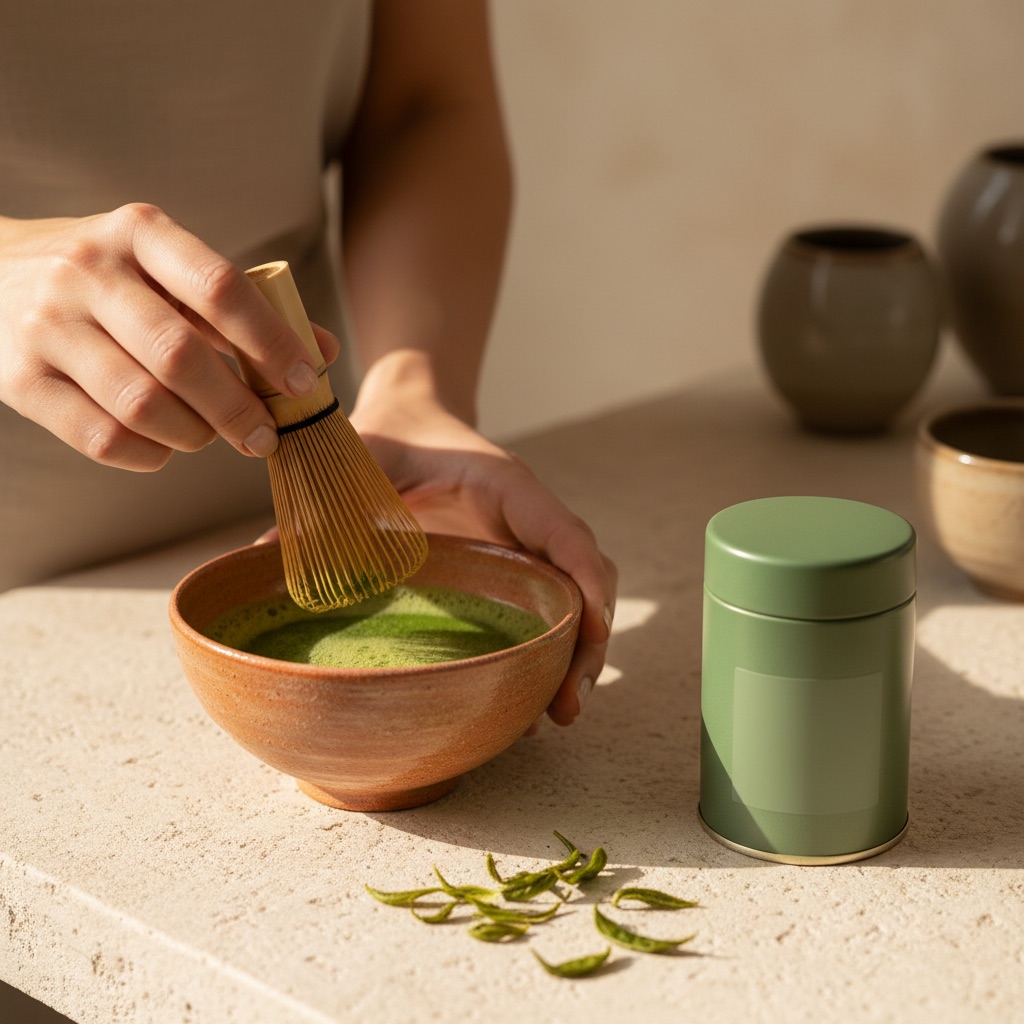
| Ceremonial matcha | Youngest shade-grown leaves, stone-ground fine; smooth, vivid green | Drinking plain, whisked with water |
| Culinary matcha | Coarser, more astringent leaf; cheaper | Lattes, smoothies, baking (milk/sweet covers the edge) |
| Loose-leaf green (sencha, gyokuro) | Whole steeped leaves; gyokuro is shade-grown and premium | Everyday brewing; gyokuro for a sweeter, refined cup |
| Bagged green tea | Often fannings and dust | Convenience; usually lower quality than loose leaf |
Two honest notes. "Ceremonial" is not a legally defined or certified term — anyone can print it — so treat it as a rough quality signal, not a guarantee, and let colour and origin (below) confirm it. And match the grade to how you'll use it: paying ceremonial prices for matcha you'll blend into a sweetened latte is money lit on fire, while culinary matcha whisked plain will taste harsh. Buy for the cup you'll actually make.
The cost spread is real, so it's worth doing the math per serving rather than per tin. Good ceremonial matcha often runs on the order of a dollar or more per gram (a 2 g serving every day adds up), culinary noticeably less, and loose sencha far less per cup than either. The most expensive way to drink green tea, oddly, is the single-serve bottled "green tea" from the cooler — you pay a premium for water and usually a dose of added sugar. Loose leaf or plain powder you brew yourself is almost always the better value, and the more transparent buy.
The five checks for green tea and matcha
1. Are you buying the drink, not an extract pill?
Because the beverage is the form with no reported safety concern and the modest evidenced benefit; concentrated EGCG extracts are where liver injury clusters. How: if it's capsules/tablets of "green tea extract" or "EGCG," especially marketed for weight loss, put it back. Buy leaves or powder you brew or whisk.
2. Does the grade match how you'll use it?
Because ceremonial and culinary matcha are priced and built differently. How: ceremonial if you'll drink it plain; culinary if you'll mix it into lattes or food. For loose leaf, sencha for everyday and gyokuro for a premium cup. Don't pay drinking-grade prices for cooking use.
3. Is it fresh — with origin and a date you can see?
Because green tea oxidizes and goes stale faster than black tea, and freshness drives both taste and (modest) catechin content. How: look for a harvest or best-by date and a stated origin (Japanese matcha and gyokuro are the benchmark, though good tea grows elsewhere). Vivid green is fresh; dull, yellow, or brown signals age or low grade. Buy a quantity you'll finish in a few months and store it sealed, cool, and dark.
4. Is it just tea — or tea plus sugar and additives?
Because bottled and "ready-to-drink" green teas, and many matcha-latte mixes, carry significant added sugar, and "matcha-flavored" products often contain very little real matcha. How: read the ingredient list. You want tea (and, for matcha, just matcha) — not a sweetened drink wearing a health halo. Plain loose leaf or pure matcha powder you sweeten yourself (or don't) is the transparent buy.
5. Have you accounted for the caffeine?
Because green tea contains caffeine, and matcha — where you consume the whole leaf — often delivers more than a steeped cup. How: treat it as a morning or midday drink, not a bedtime one, and if you're caffeine-sensitive, pregnant, or managing intake, count it like any caffeinated beverage.
Red flags that mean don't buy it
- EGCG / "green tea extract" capsules sold for weight loss or "detox." The risky form for a modest, doubtful benefit.
- Matcha that's dull, yellowish, or brown. Stale, sun-grown, or low grade — and you'll taste it.
- "Ceremonial grade" as the only quality claim, with no origin or date. The term is unregulated; make it prove itself.
- Bottled "green tea" with sugar near the top of the ingredient list. A soft drink with a health halo.
- "Matcha-flavored" mixes where real matcha is a trace ingredient behind sugar and milk powder.
Putting it together: two products
Picture two things marketed as "green tea." The first is "LeanBurn Green Tea Extract," a bottle of capsules promising to "torch fat and detox" at "1,000 mg EGCG per serving." Run the checks: it's the extract-pill form, not the drink (check 1 fails outright), the dose is far above the amounts a liver-safety review found low-risk, and the claims outrun what the evidence supports. This is precisely the product the safety section warns about — a concentrated EGCG pill for a modest, doubtful benefit.
The second is a tin of "Uji, Japan — first-harvest ceremonial matcha," with a harvest date stamped on the bottom, a vivid green powder visible through a window, and an ingredient list that reads, simply, "matcha." It tells you the origin, proves freshness with a date and colour, is the beverage form with no reported safety concern, and contains nothing but tea. For drinking, it's the obvious pick — and whatever it costs, you can see exactly what you're paying for.
The contrast is the whole guide in miniature: the transparent drink you can verify beats the concentrated pill making promises it can't keep.
Safety: drink freely, supplement carefully
For the beverage, the news is good: NCCIH reports "no safety concerns ... for green tea consumed as a beverage by adults." The cautions cluster around concentrated forms and caffeine.
- Extract supplements and the liver. Liver injury, though uncommon, has been reported mainly with green tea extracts in tablet or capsule form, and a common gene variant raises susceptibility (NCCIH; LiverTox). Extract side effects can include nausea, constipation, abdominal discomfort, and increased blood pressure. A 2017 systematic review of green tea extract liver safety in randomized trials found such liver events were uncommon — a handful of cases across dozens of trials, mostly mild, transient rises in liver enzymes — and judged the evidence inconclusive rather than alarming (systematic review of RCTs, 2017). The clearer signal comes from NCCIH and LiverTox: the injury reports that do exist concentrate around extracts in tablet or capsule form, not the beverage — which is why a 1,000 mg "fat-burner" serving is a different proposition from a cup of tea. If you ever do use an extract, keep doses modest and stop at any sign of liver trouble (fatigue, dark urine, yellowing skin or eyes).
- Caffeine. Green tea and especially matcha contain caffeine. In pregnancy, caffeine intake should stay moderate — ask your clinician; while breastfeeding, low-to-moderate caffeine is usually fine (NCCIH).
- Medication interactions. Green tea can reduce the effectiveness of some medicines, including nadolol (a blood-pressure drug), atorvastatin, and raloxifene (NCCIH). If you take prescription medication, mention your green tea habit to your clinician.
Why we haven't named a product
You'll notice we haven't told you which green tea or matcha to buy. That's deliberate. We have not tested specific products, and a ranked list of tins nobody opened is the thing we built this site to avoid. Our reviews come from buying at retail, using for a stated window, logging what changed, and disclosing every link — the full method is on our how we vet page, and our affiliate disclosure explains how we handle any links. When green tea reviews publish, they'll appear under Teas & Tinctures with a real testing method beside each. Until then, the five checks above — the drink not the pill, the right grade, real freshness, no hidden sugar, and a caffeine plan — are enough to buy a tea worth drinking.