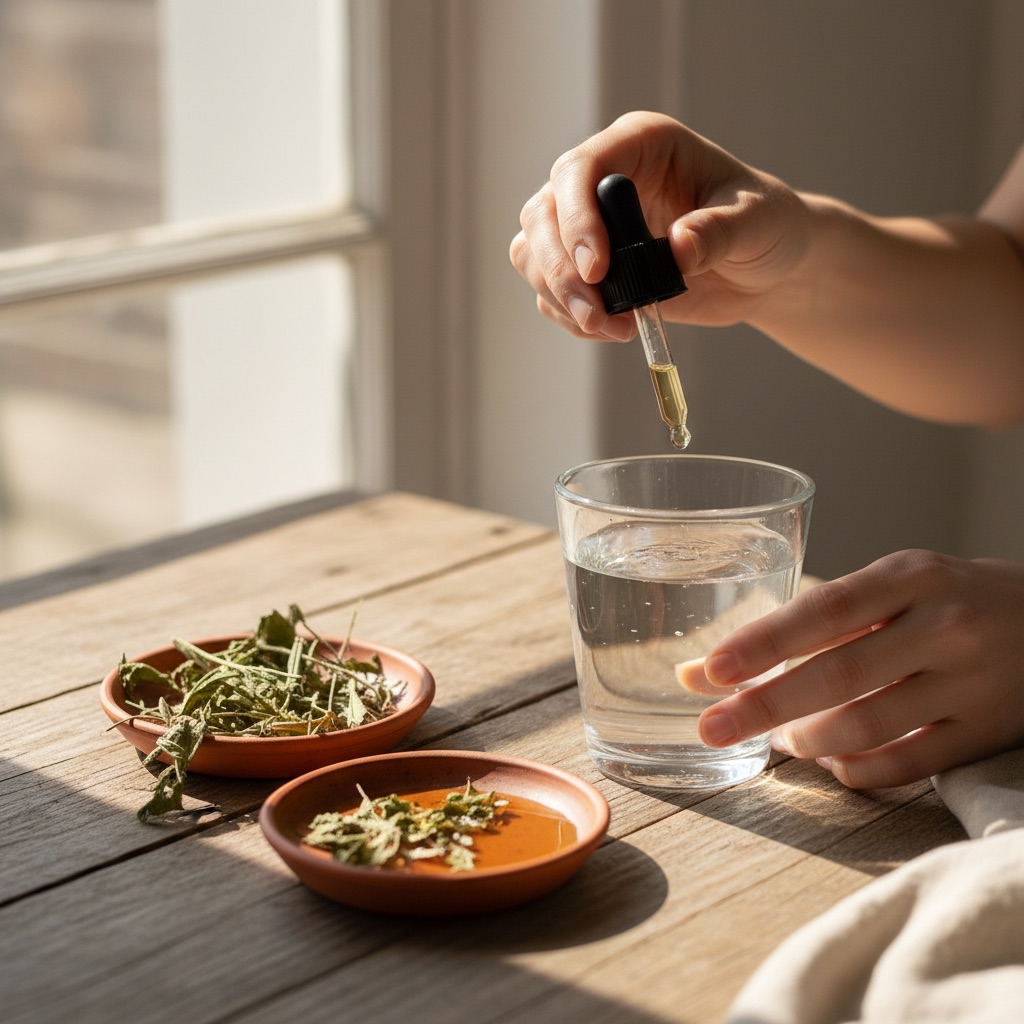
Two dropper bottles can sit side by side at the same price and contain wildly different amounts of actual herb — one a strong extract, the other mostly water and alcohol with a whisper of plant. The maddening part is that the label usually tells you which is which, in a single number most shoppers have never been taught to read.
This guide teaches you that number, and the few others that matter. By the end you should be able to pick up any tincture, judge whether it's a real extract or a watered-down one, work out roughly what a dropperful is costing you, and decide if it's worth buying. As with everything here, we do not rank specific products — we have not tested them, and a ranked list of bottles nobody opened is the thing we built this site to avoid. What you get is the method.
A note first: this is shopping guidance, not medical advice. Tinctures are sold as dietary supplements, and the FDA does not approve supplements for safety or effectiveness before they are sold the way it does prescription drugs (FDA). Most tinctures also contain alcohol — there is a safety section near the end, and if you are pregnant, in recovery, giving one to a child, or taking medication, read it before you buy.
What a tincture actually is
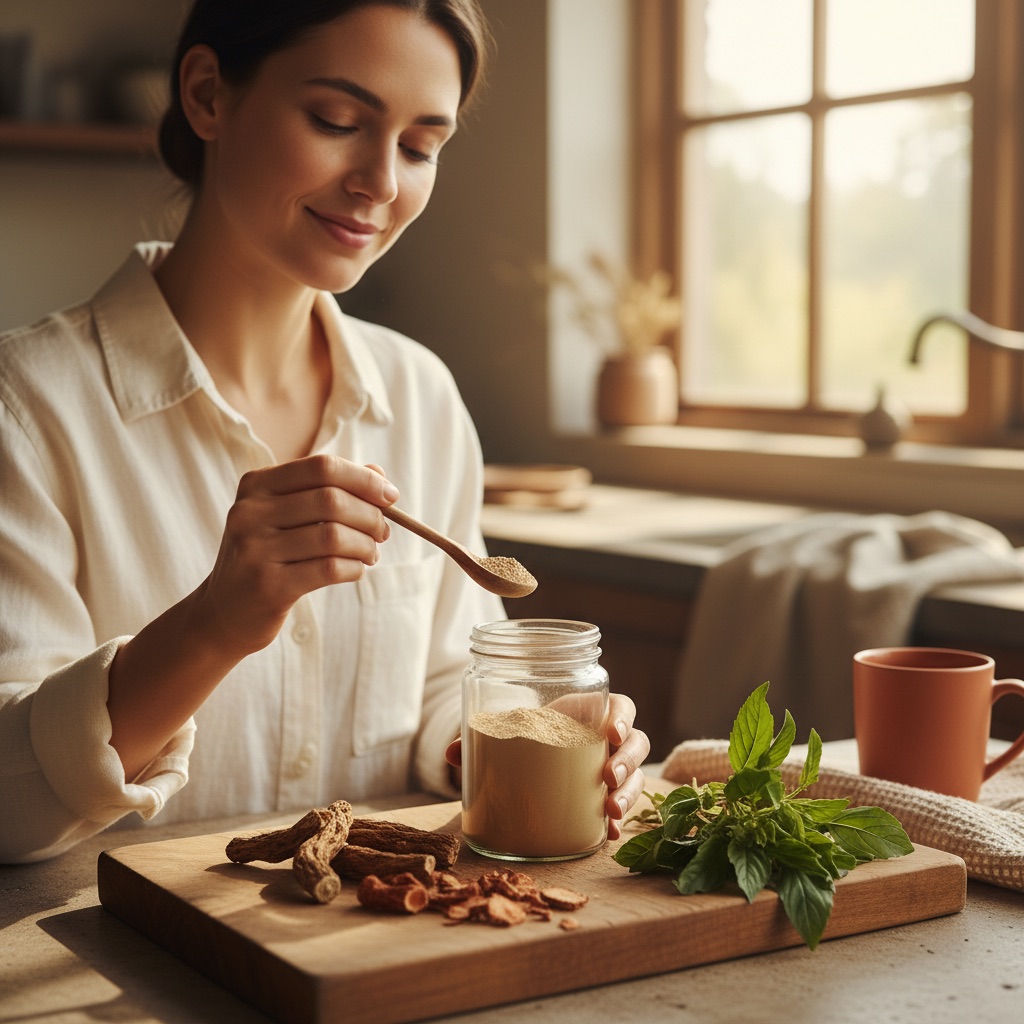
A tincture is a liquid herbal extract: plant material soaked in a solvent — usually alcohol, sometimes vegetable glycerin — which pulls the plant's compounds into the liquid. The plant is strained out, and what you buy is the infused liquid, dosed by the dropper. That is the whole idea, and it is why two tinctures of "the same herb" can differ so much: the strength depends entirely on how much herb went into how much liquid, and what that liquid was.
So the brand name on the front tells you almost nothing. Three things under it tell you most of what matters: the ratio, the solvent, and the dose math.
The one number that tells you what you're buying: the herb-to-liquid ratio
Good tinctures state a herb-to-liquid ratio — written like 1:2 or 1:5. The first number is the herb; the second is the liquid it was extracted into. The smaller the second number, the more herb is packed into each millilitre (Herbal Academy).
| Ratio | Roughly means | What it tells a shopper |
|---|---|---|
| 1:1 | 1 part herb to 1 part liquid | Strongest; usually dense or fresh herb |
| 1:2 | 1 part herb to 2 parts liquid | Strong; a common fresh-plant standard |
| 1:5 | 1 part herb to 5 parts liquid | Weaker per drop; a common dried-herb standard |
A 1:2 tincture carries well over twice the herb per millilitre of a 1:5. Neither is "wrong" — different herbs extract best at different ratios — but the ratio is the single best clue to how much plant you are actually buying. A small bottle of 1:5 at a premium price can be, gram for gram of herb, the most expensive thing on the shelf.
A few premium tinctures go one step further and state a standardized amount of a marker compound (the same idea as a standardized capsule extract) — useful when it is real, but the ratio is the number you will actually find on most bottles, so start there.
Why it matters: the ratio is the strength, and the strength is most of the value. How to check: look for the ratio on the label or product page. If a tincture hides it entirely — no ratio, no extract strength, just "herbal extract" — you cannot compare it to anything, and you should treat that absence as a flag.
Alcohol or glycerin? A buyer's tradeoff, not a moral choice
Most tinctures use alcohol as the solvent; some use vegetable glycerin (a "glycerite"). This is a genuine tradeoff, and the right answer depends on you, not on which one a brand happens to sell:
- Alcohol is a strong, broad solvent — it pulls a wide range of plant compounds into the liquid — and it is shelf-stable at room temperature. The trade: it tastes sharp, and it is alcohol.
- Glycerin is sweet, alcohol-free, and gentler to take — the reason many people choose it for children or to avoid alcohol. The trade: it is a weaker solvent, so it may extract less of the plant, and glycerites may have a shorter shelf life than alcohol tinctures — follow the product's storage and use-by instructions.
Why it matters: if you must avoid alcohol, that decides it — but know you may be trading away some extraction strength. How to check: the solvent is on the label. If alcohol-free matters to you, look specifically for "glycerite" or "alcohol-free," not just a sweet flavour.
What a dropperful actually delivers — and what it costs
Dropper math trips up almost everyone. A standard full dropper holds about 1 millilitre, which is roughly 30 drops — and a "squirt," meaning one squeeze of the bulb, often fills the dropper only partway. So a label saying "one dropperful" and one saying "one squeeze" can mean a sizable difference in dose. Check which one the directions actually specify.
That matters for value. To compare two bottles honestly, look at cost per millilitre, not cost per bottle: divide the price by the bottle's millilitres. Then weigh that against the ratio. A $20 one-ounce (30 mL) bottle is about $0.67/mL; a $30 two-ounce (60 mL) bottle is $0.50/mL — and if the bigger one is also a stronger ratio, it is the better buy twice over. The cheap little bottle is often the expensive one once you do the math.
The six things to check on any tincture label
These carry over from our other buying guides — the adaptogen and magnesium ones use the same lens, our green tea & matcha guide applies it to leaf grade and freshness, and our elderberry guide applies it to syrups and gummies:
| Check | What good looks like | Red flag |
|---|---|---|
| 1. Stated ratio | "1:2" or a clear extract strength | "Herbal extract," no ratio anywhere |
| 2. Named solvent | Alcohol % or "glycerite" stated | Solvent unstated |
| 3. Single, named herb (or dosed blend) | Each herb and amount clear | "Proprietary blend," no breakdown |
| 4. Third-party testing | USP, NSF, or a named lab + certificate | "Lab tested," no verifier |
| 5. Bottle size + cost-per-mL you can compute | mL on the label | Only a front-label dropper claim |
| 6. Evidence-backed, modest claims | Specific, sourced | "Detoxes," "cures," "clinically proven" with no study |
Third-party testing, because the label is just a claim
Supplements are not pre-approved by the FDA, so the label is the maker's word until an independent lab checks it. Programs such as USP and NSF can verify that a product meets defined quality standards and that the label matches what testing found, and their marks are checkable on the certifier's own site. Tinctures carry an extra reason to care: a certificate of analysis is how a serious maker shows the bottle is what it claims.
A 60-second label test
The method on two labels you might meet. These are fictional examples to show the decision process, not real products.
Label A — put it back:
Calm Herbal Extract — 1 fl oz "Premium herbal blend" · "Lab tested" Suggested use: 1 dropperful
Verdict: weak. No ratio (check 1), no solvent stated (check 2), a "blend" with no herbs or amounts named (check 3), and "lab tested" names no verifier (check 4). You cannot tell what is in it or how strong it is.
Label B — the stronger label:
Lemon balm tincture — 2 fl oz (60 mL) Herb-to-liquid ratio 1:2 · organic cane alcohol 45% Single herb · Certificate of analysis by lot
Verdict: stronger. It states the ratio (1), the solvent (2), a single named herb (3), offers a certificate (4), and gives the millilitres so you can compute cost-per-mL (5). Still not automatically right for you — but honest enough to evaluate.
Immediate red flags
Put the product back if you see any of these:
- No ratio and no extract strength anywhere — you cannot judge potency.
- No solvent named — especially if you need to avoid alcohol.
- A "proprietary blend" with no individual herbs or amounts.
- "Detoxes," "cures," "boosts immunity" or any disease claim.
- "Clinically proven" with no study named.
- "Lab tested" with no certifier or certificate.
- No bottle size in mL, company name, lot number, or expiration/best-by date.
Who's recommending it — the part the label can't show
Tincture advice online comes mostly from two places, and both have a tilt. Herb shops and supplement brands publish "guides" that quietly steer you to their own bottles, often with no disclosure that you are reading an advertisement. And do-it-yourself herbalist sites, while genuinely knowledgeable, are teaching you to make tinctures, not to buy one well. Neither is wrong to exist — but neither is an independent answer to "which of these should I spend money on?" When you read any recommendation, ours included, ask: Are they selling me this exact bottle? And did they actually use it, or just describe it? That is why we disclose every affiliate link at the click and refuse to post a verdict on something we have not bought and used.
Safety: alcohol, interactions, and who should skip
Tinctures carry one safety factor the capsule aisle does not — the solvent itself:
- Most tinctures contain alcohol, often 40–60%. The amount in a single dose is small, but it is real. If you are pregnant or breastfeeding, in recovery from alcohol use, giving a tincture to a child, or managing a condition where alcohol is a problem, choose an alcohol-free glycerite or skip it — and talk to your clinician.
- Herbs can interact with medications. A liquid extract is still a dose of active plant compounds, and some interact with prescriptions. If you take medication, check with your clinician or pharmacist before adding one.
- "Natural" is not "harmless." Potent herbs are potent precisely because they do something; start low, and stop if something feels off.
- Tell your clinician the specifics — the herb, the ratio, the solvent, and how much you take — not just "an herbal tincture." The details are what let them weigh it.
When not to buy a tincture at all
Sometimes the honest answer is "not this, not now." Skip it if the only bottle in budget hides its ratio and solvent (you are buying blind), if you need alcohol-free and can only find alcohol, if a persistent symptom really needs a clinician rather than a dropper, or if you take interacting medication and have not checked.
How we'll test these (and why there's no ranking yet)
We have not told you which tincture to buy because we have not tested specific products. Our reviews come from buying at retail, using for a stated window, logging what changed, and disclosing every affiliate link — the full method is on our how we vet page. When tincture reviews publish, they will appear under Teas & Tinctures with a real testing method beside each. Until then, the ratio, the solvent, and the cost math above are the same lens we use.